Unveiling the Soul of Ancient Greece: Explore the Legacy, Craftsmanship, and Culture of Greek Ceramics at the Herinex Museum’s Greek Division.
Ancient Cultures Collection
Greek Division
About the Greek Division
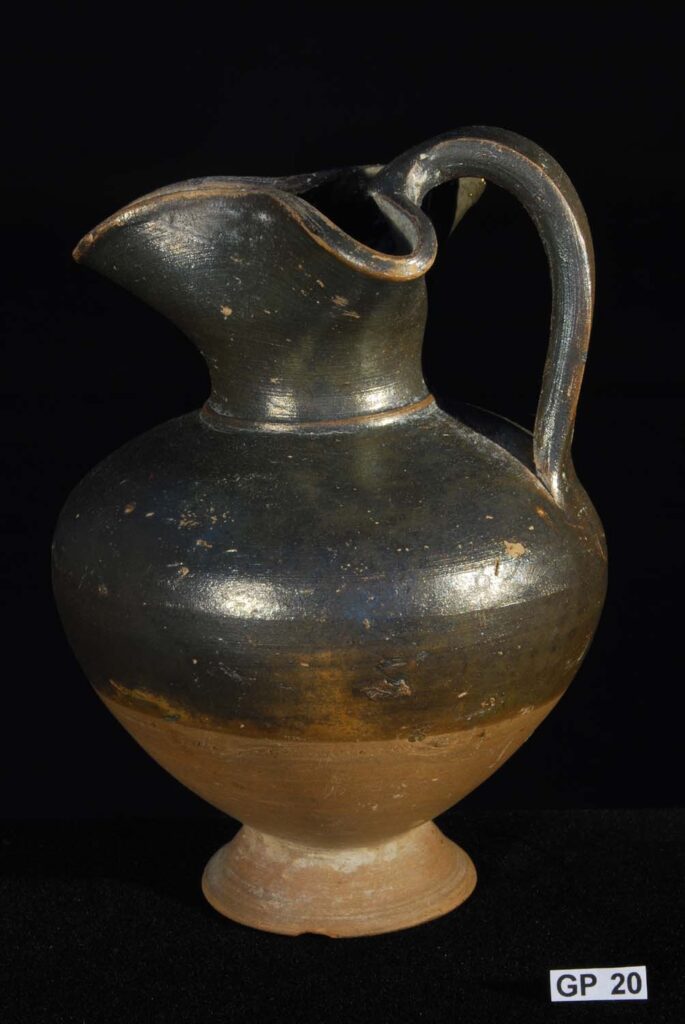
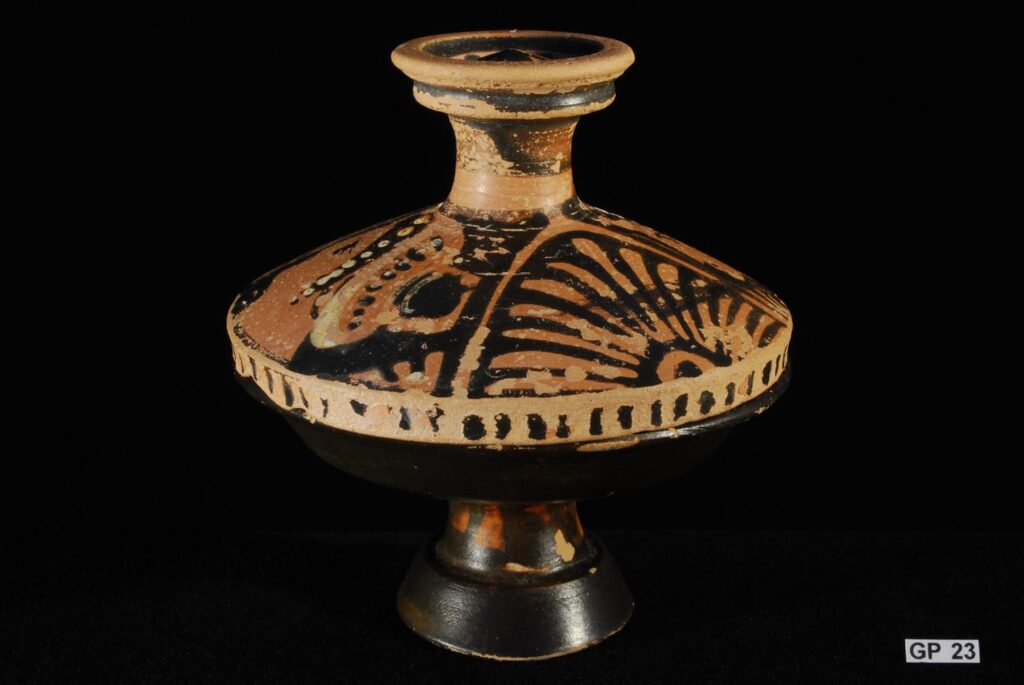
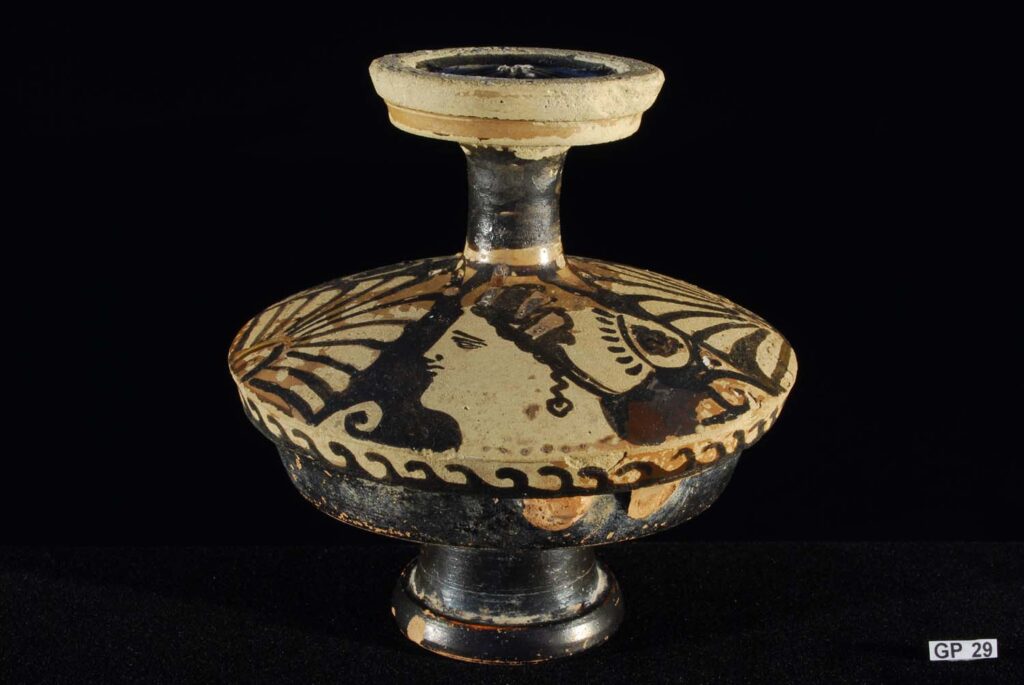
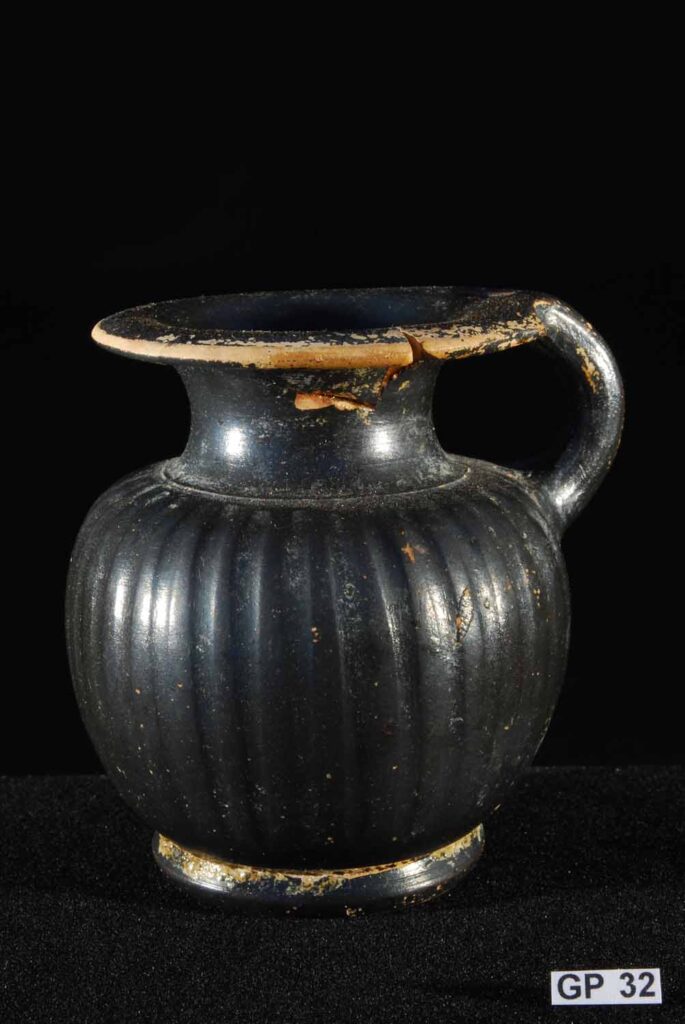
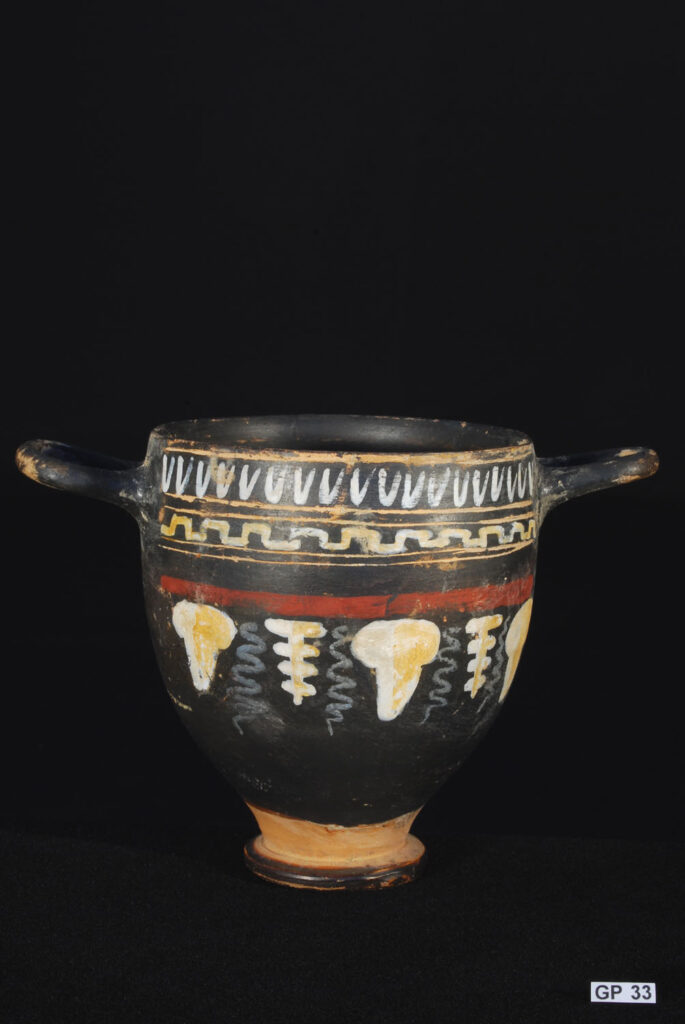
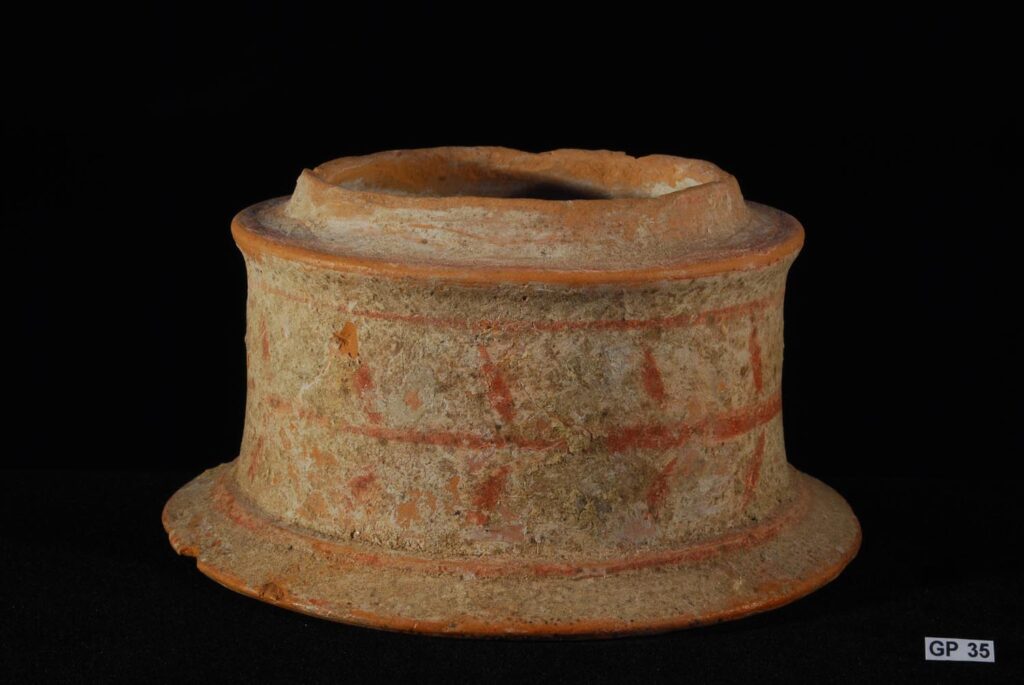
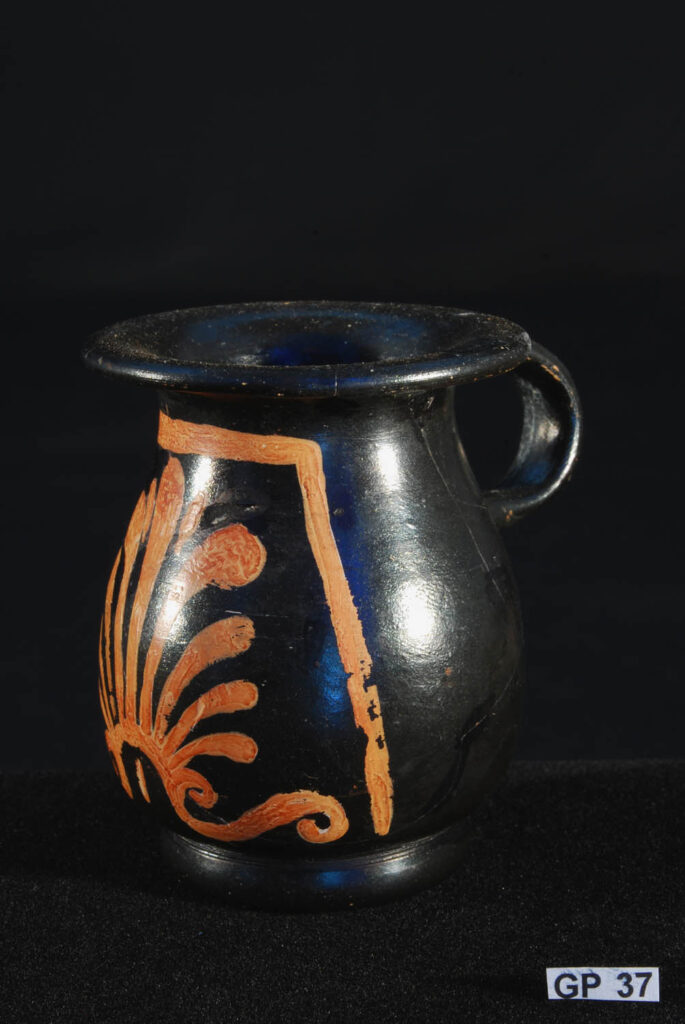
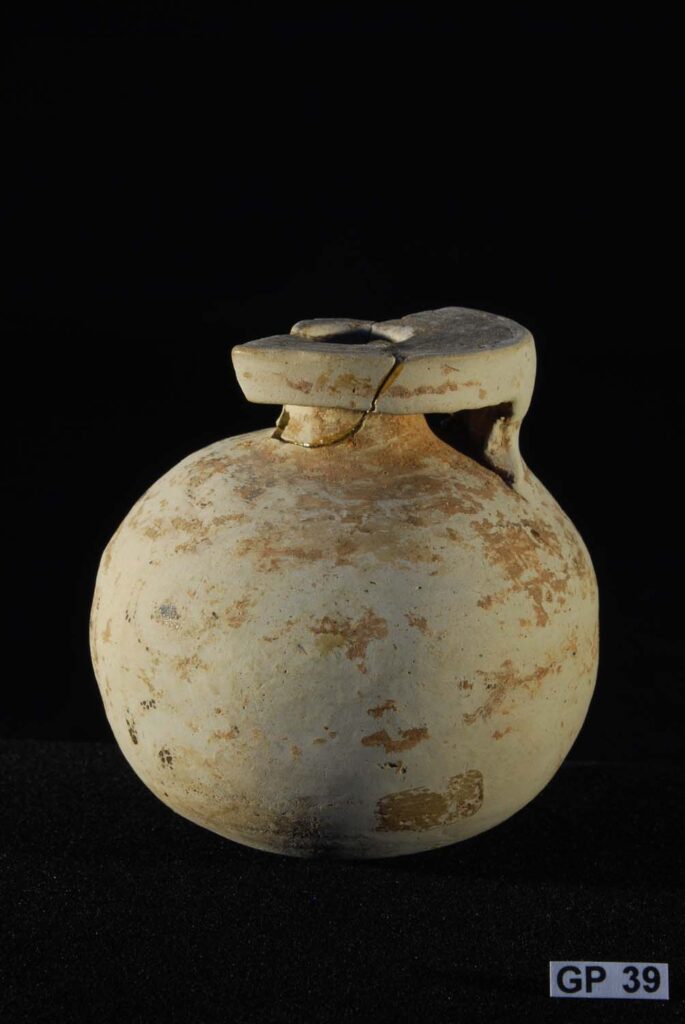
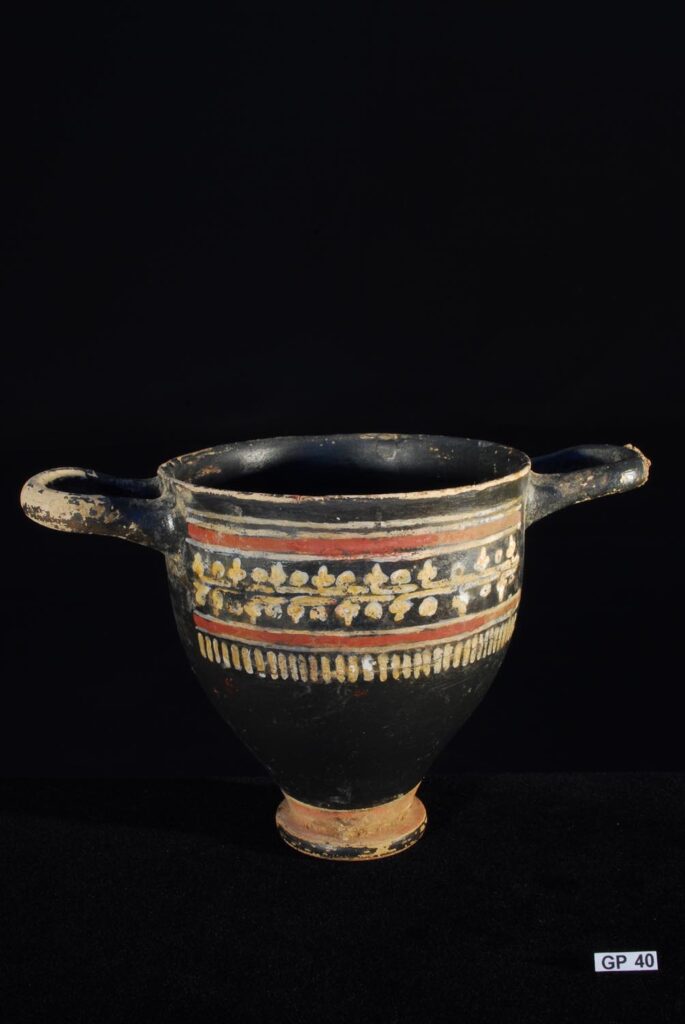
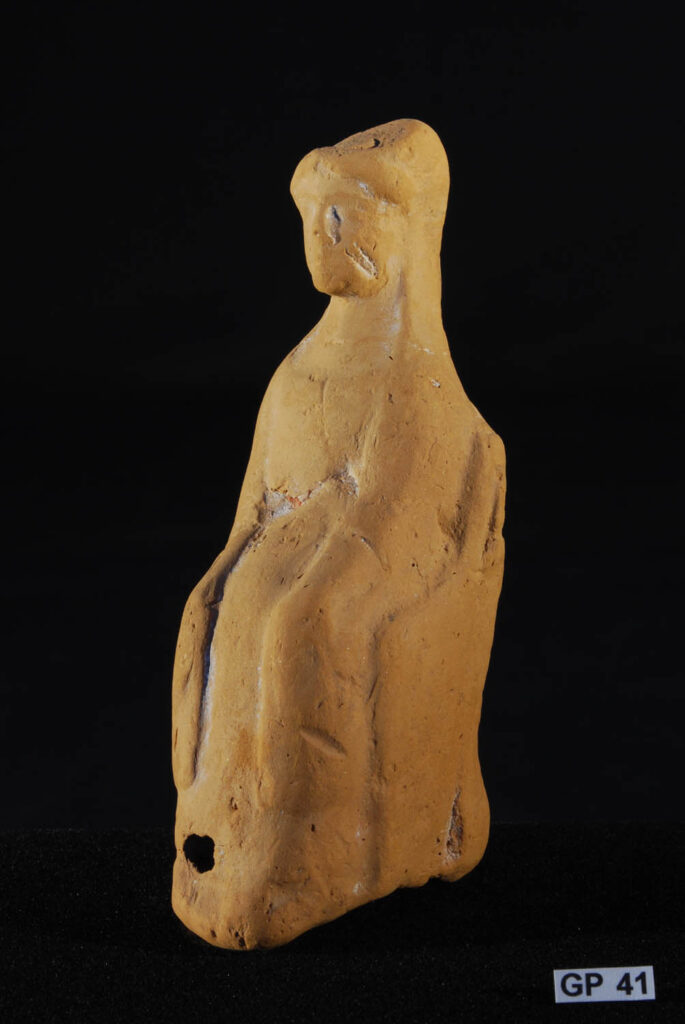
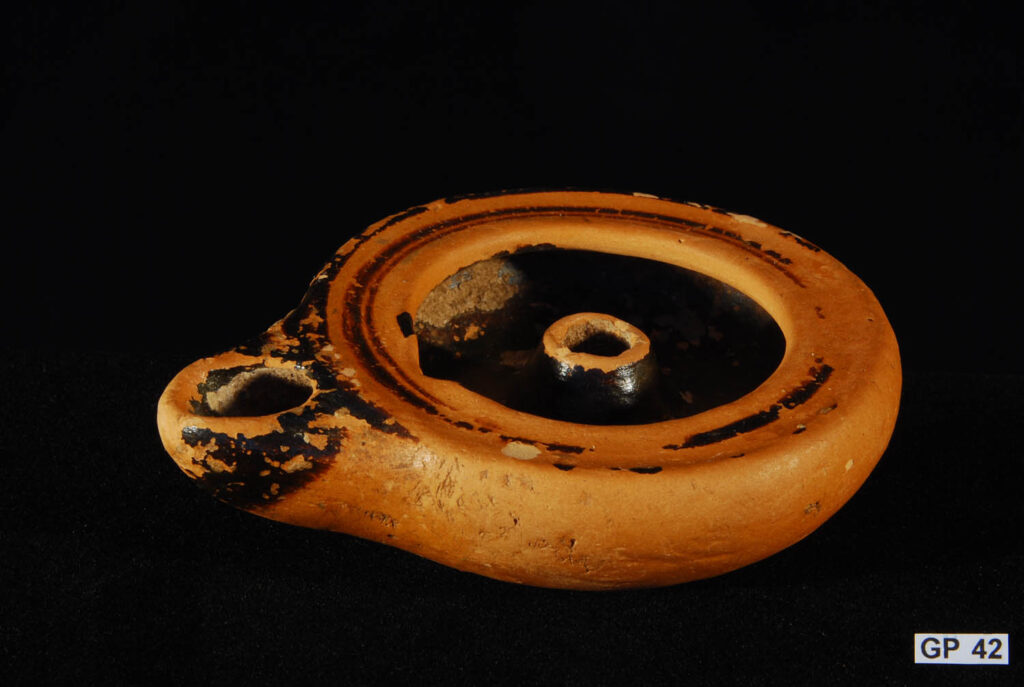
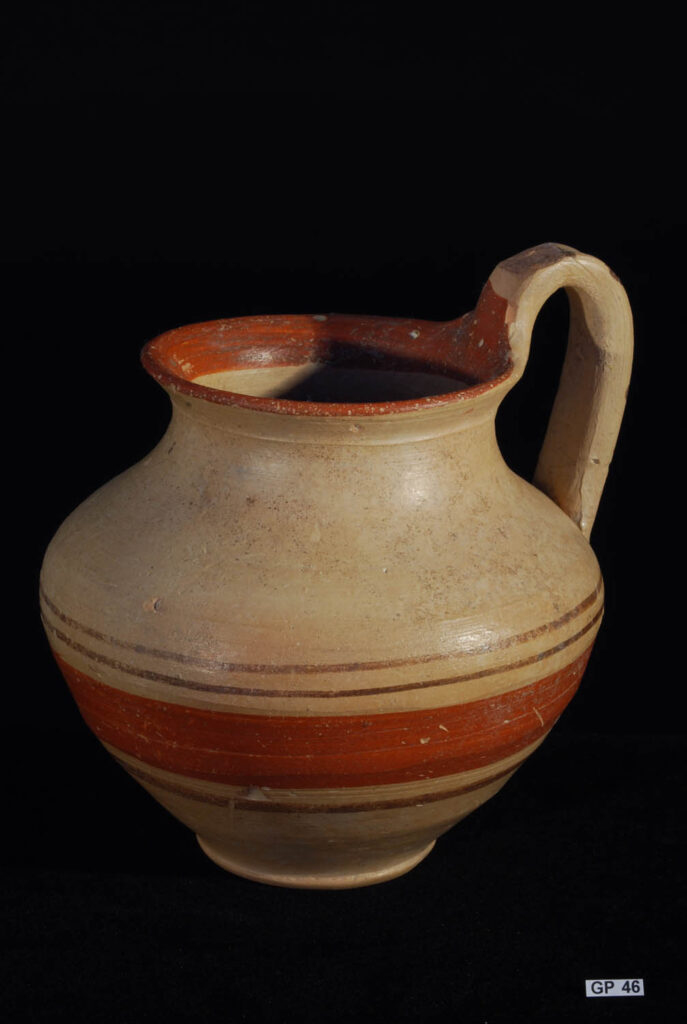
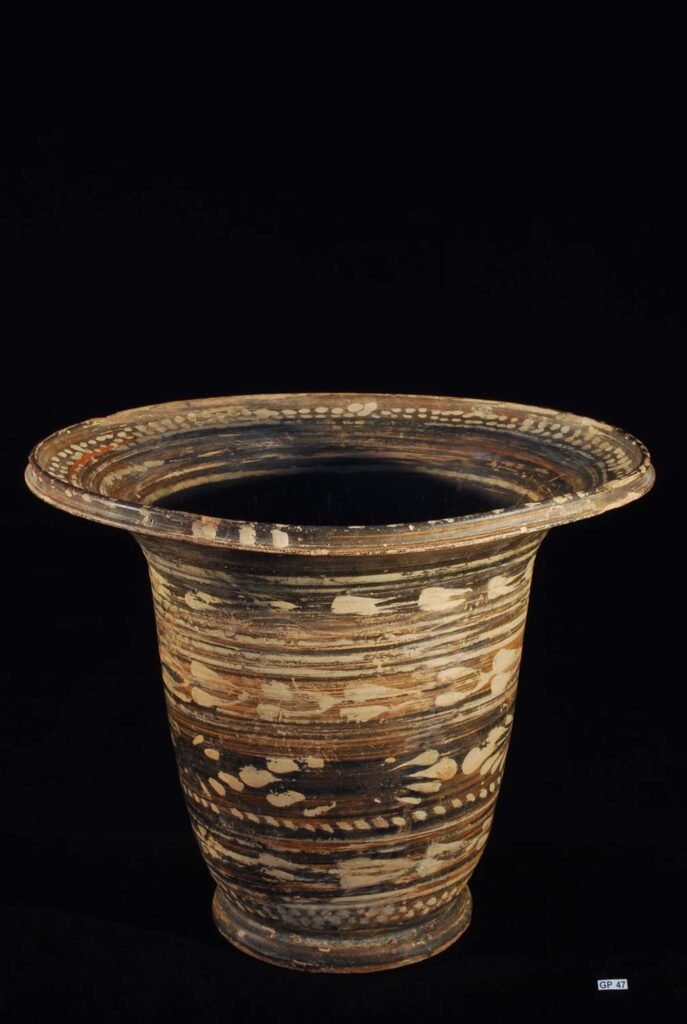
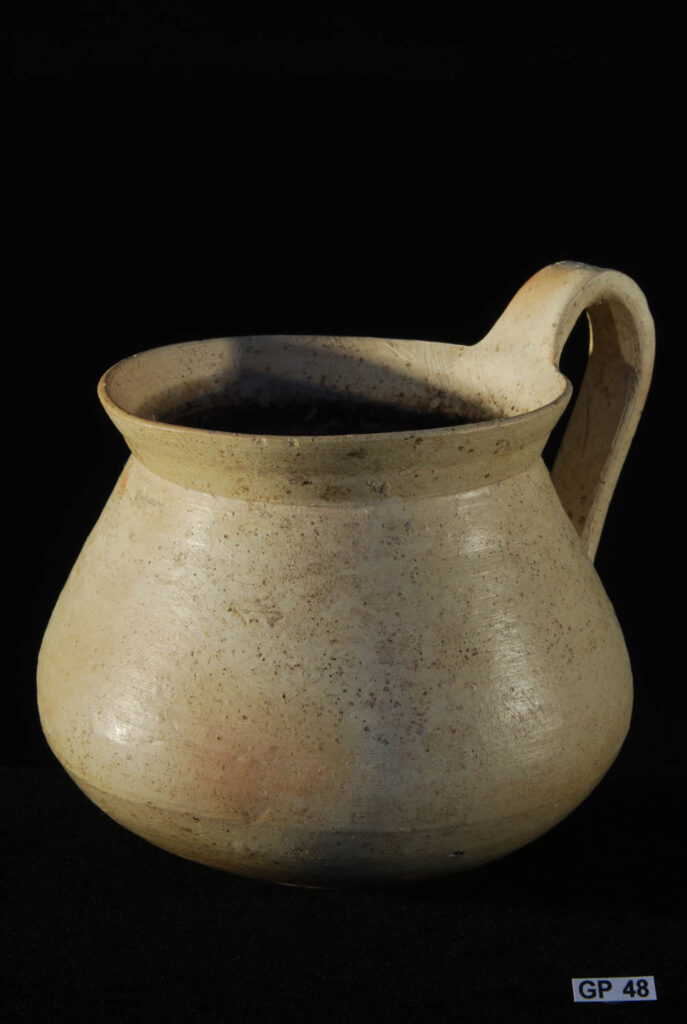
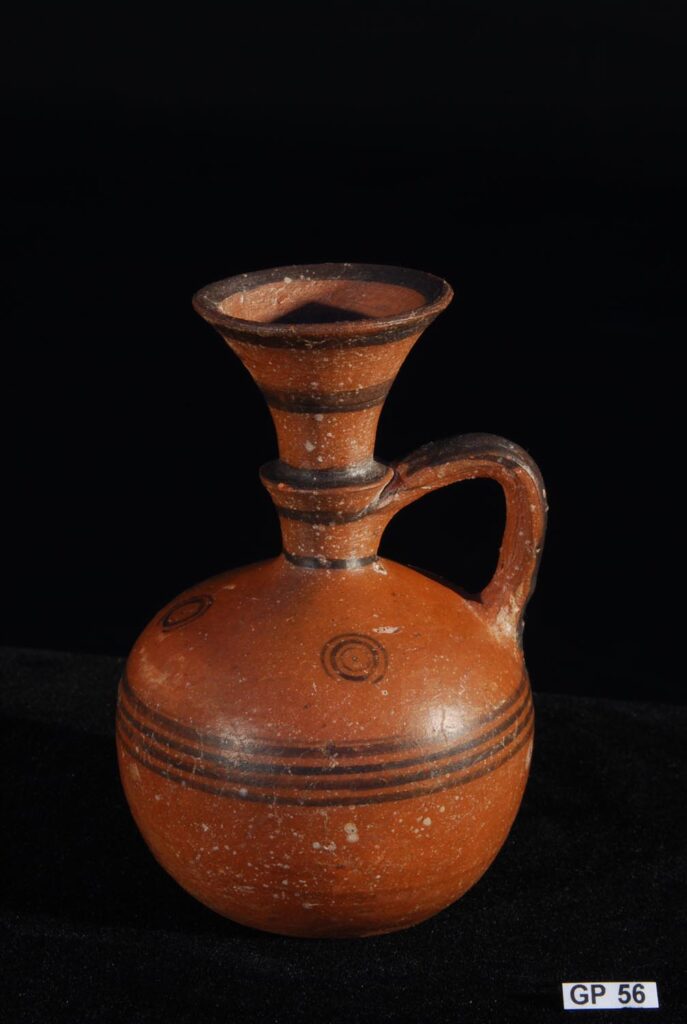
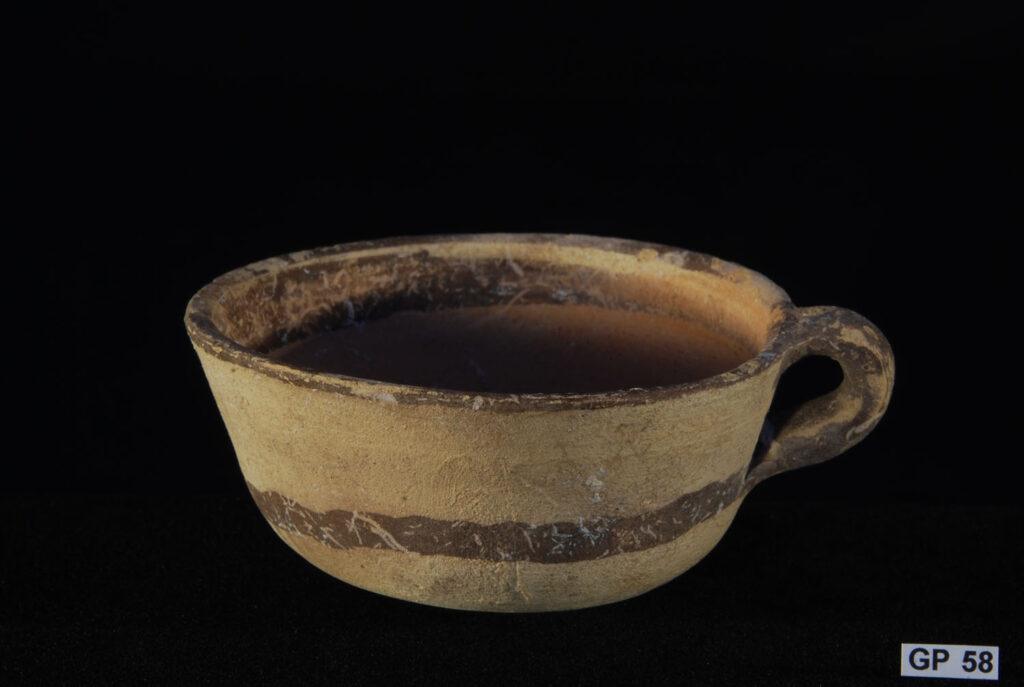
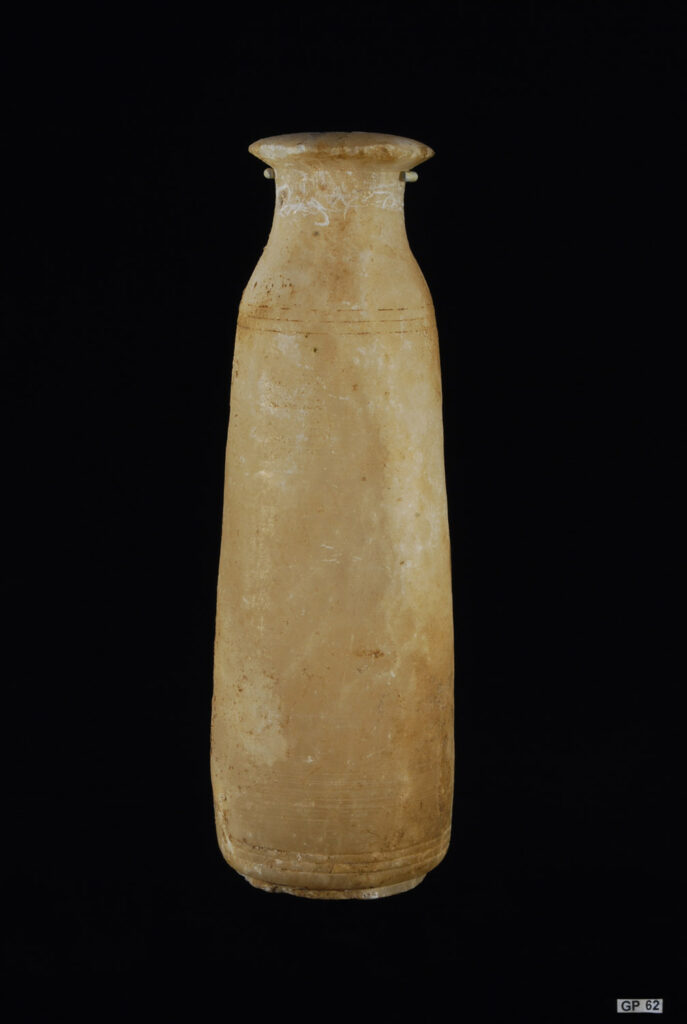
The Greek Division of the Herinex Museum proudly curates an exceptional collection of 69 artifacts, each a showcase of the intricate artistry and cultural sophistication of ancient Greek ceramics. These pieces not only illustrate the traditional craftsmanship of ancient Greece but also highlight the significant influence of Greek culture in Southern Italy during the Hellenistic period. This region, a vibrant center of Greek colonization and cultural fusion, served as a pivotal stage for the evolution of Greek ceramic styles, blending native and Greek traditions to create uniquely hybrid art forms.
Highlights of the Greek Division
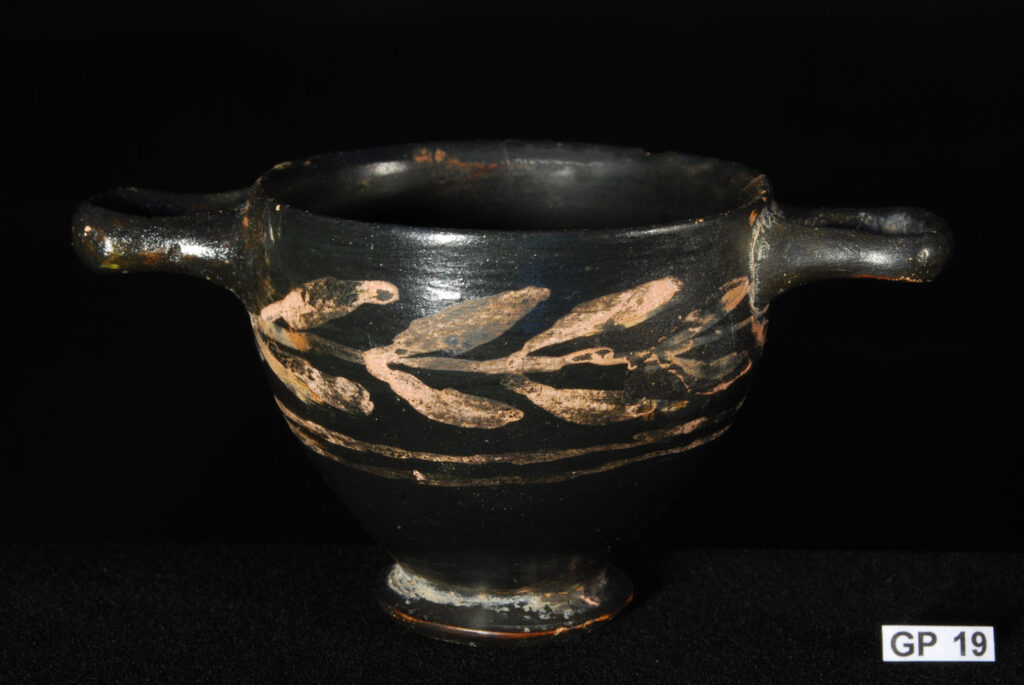
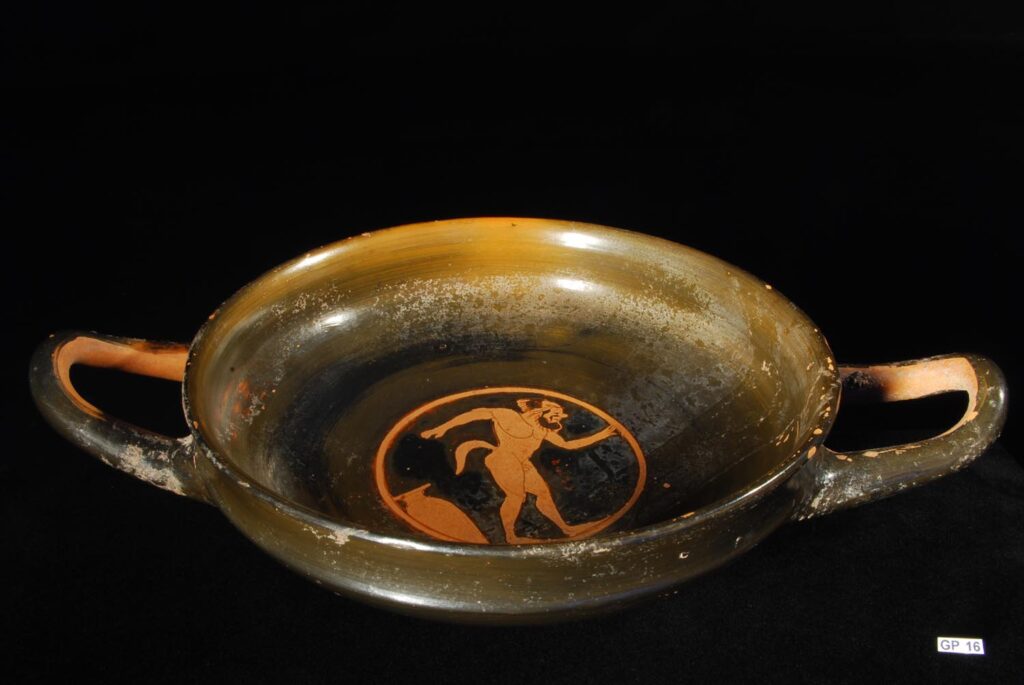
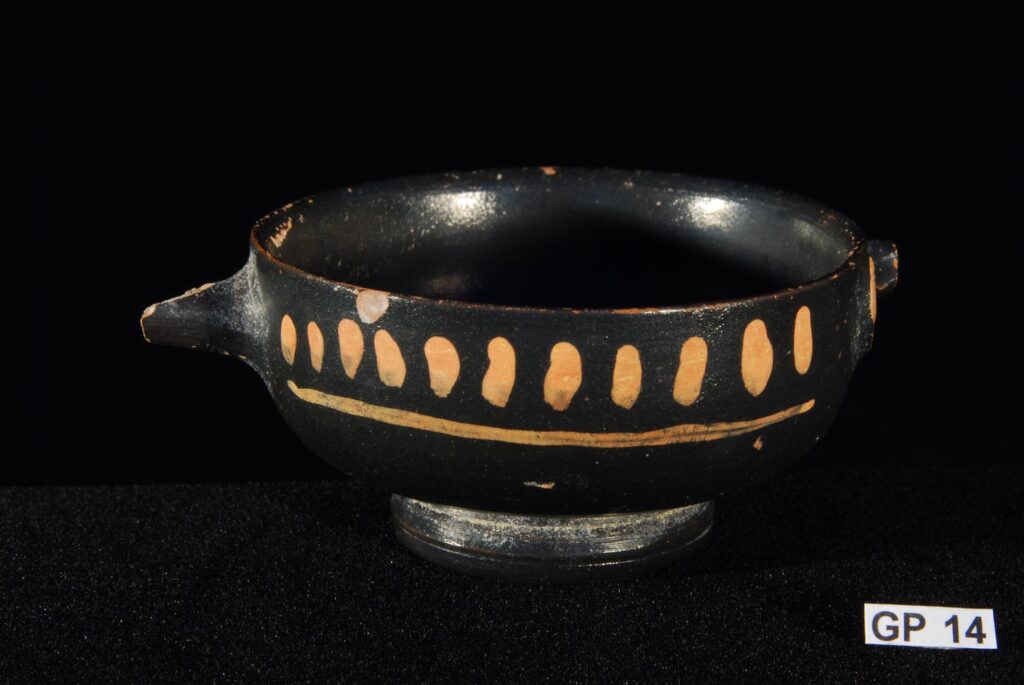
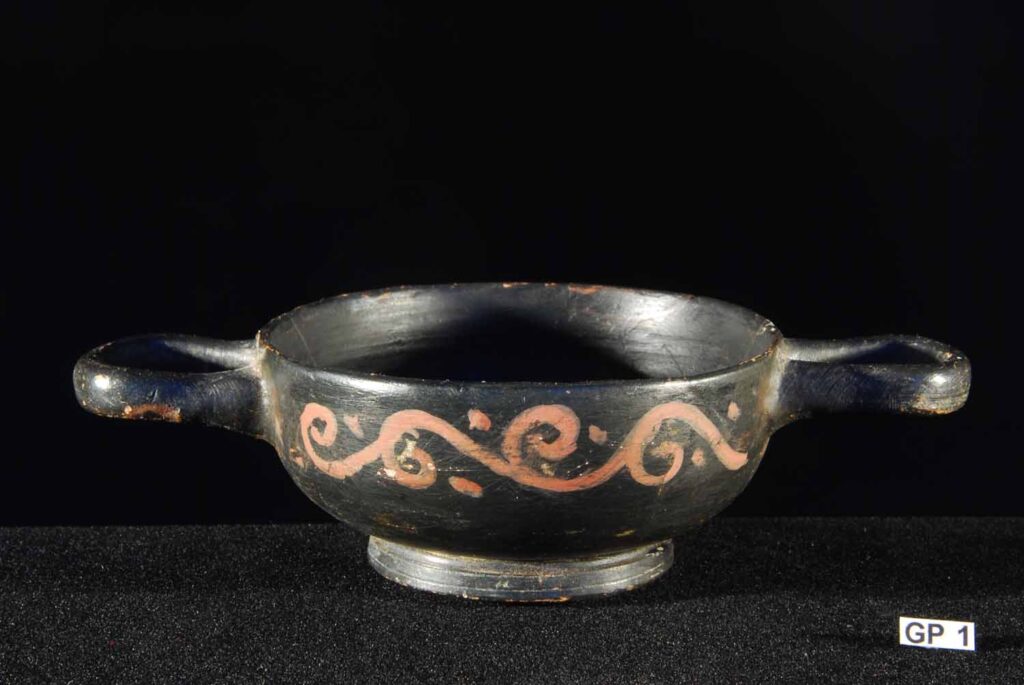
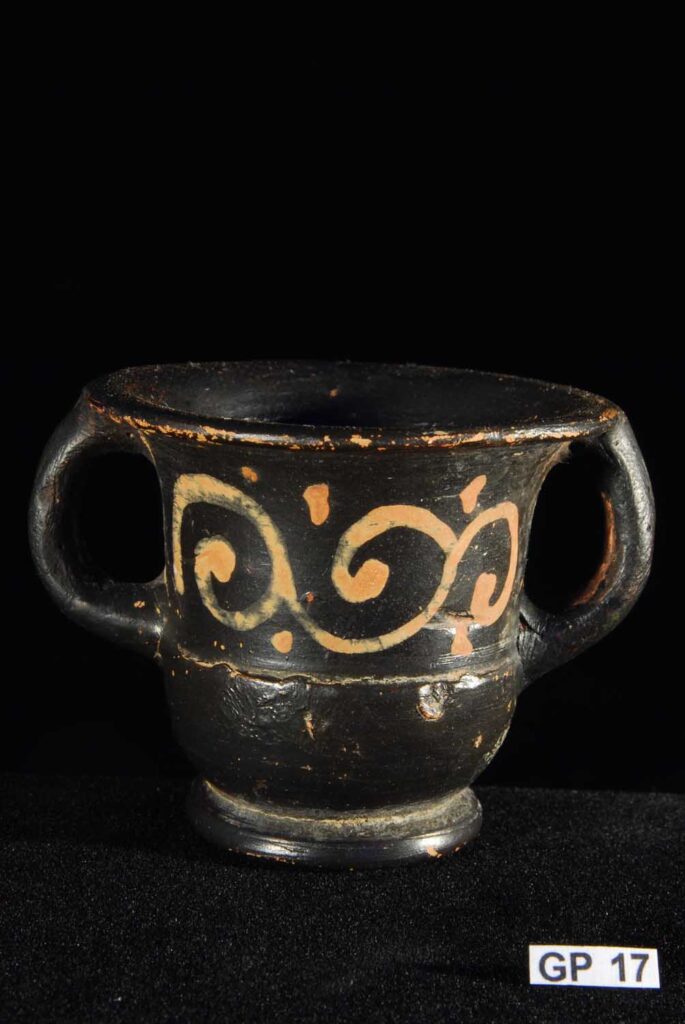
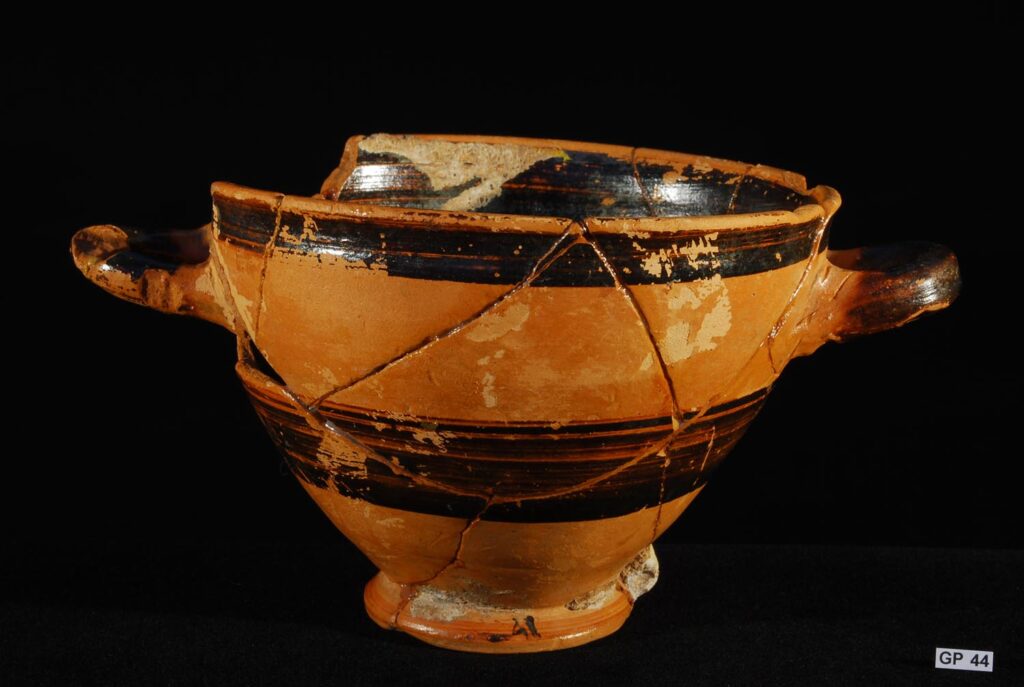
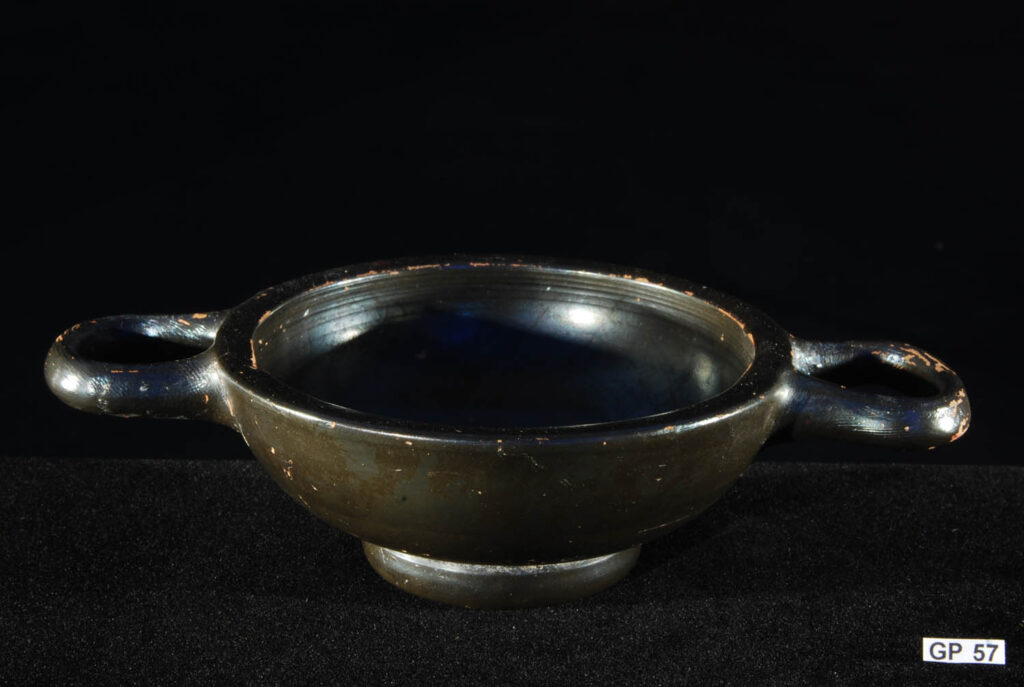
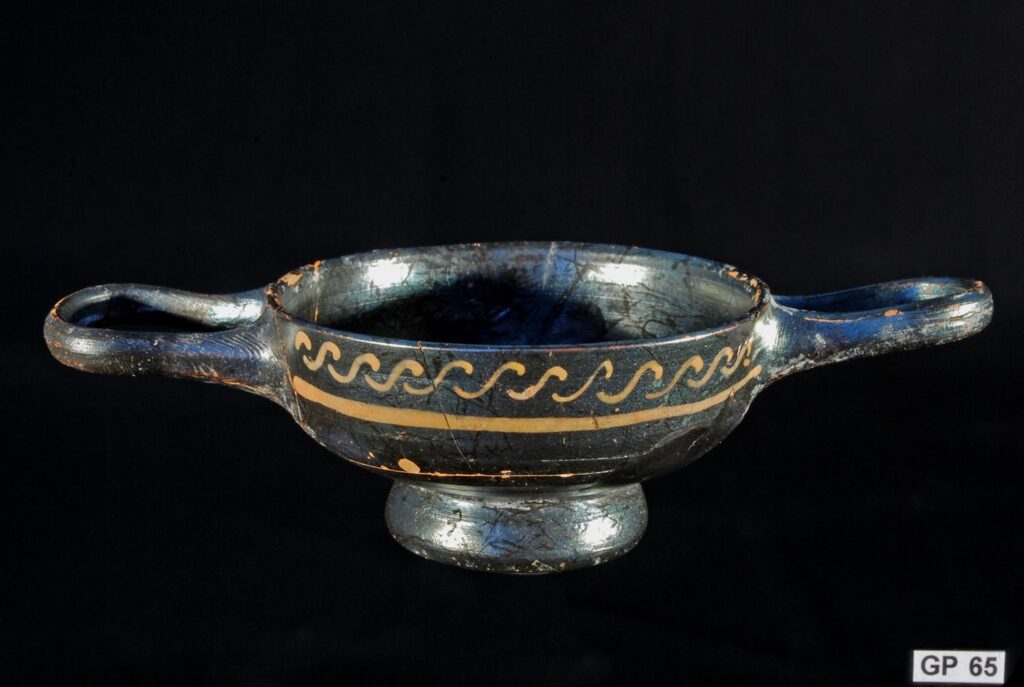
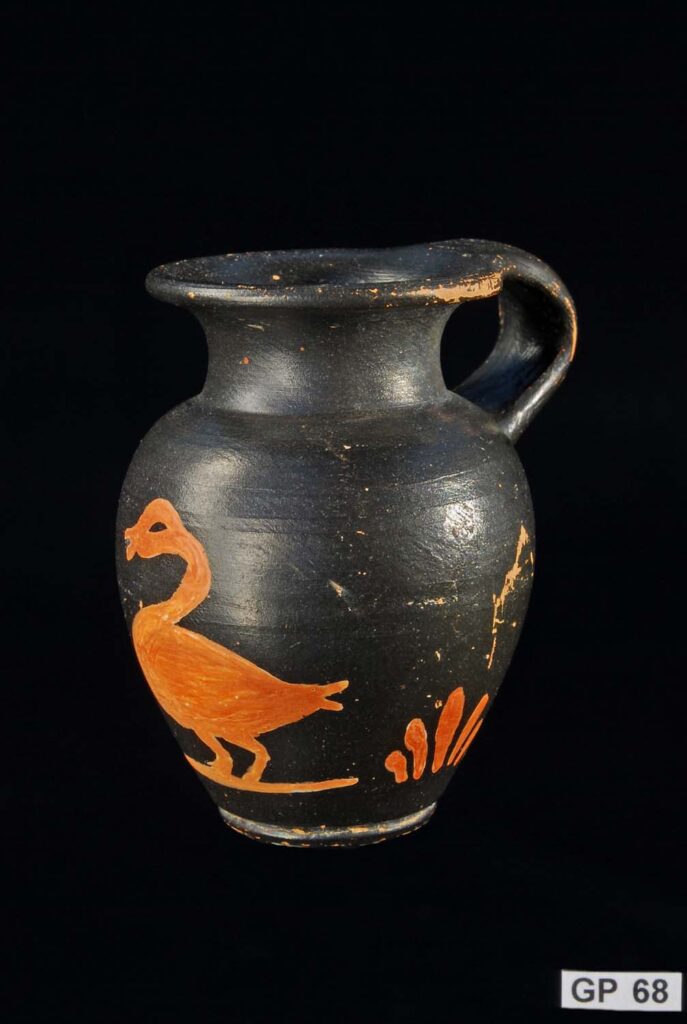
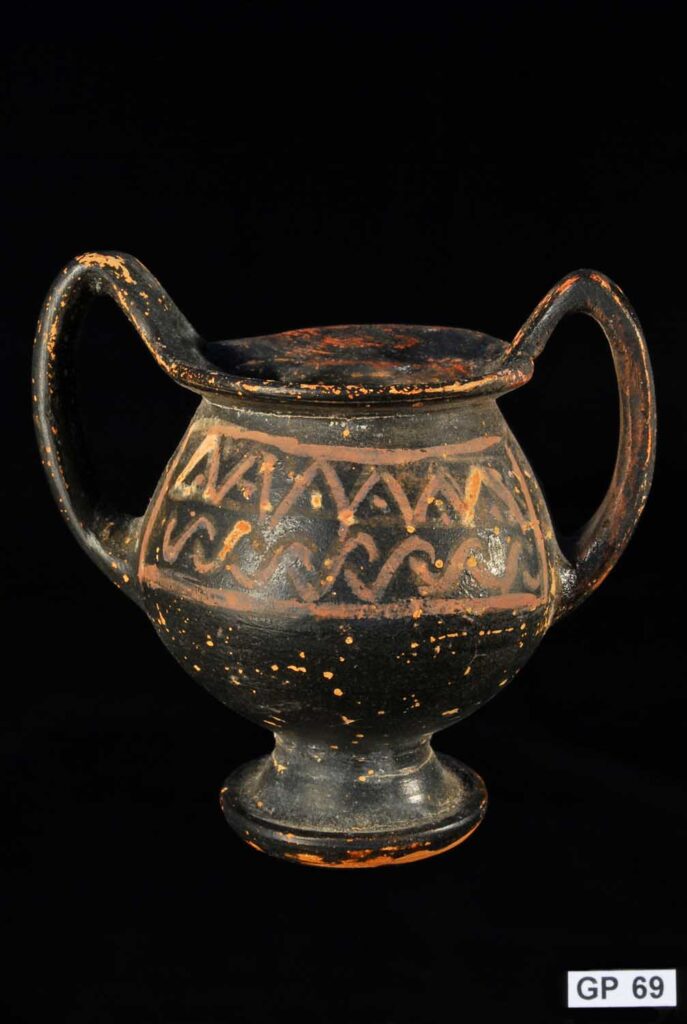
Among the division’s treasures are the Miniature Kylixes, exemplary of the technical prowess and aesthetic sophistication characteristic of 4th-century BC Xenon Ware from Southern Italy. Their metallic black glazes and intricate orange and red scroll designs are not just visually stunning; they reflect the advanced ceramic techniques and artistic creativity of the era, making these kylixes highly prized by collectors and historians alike.
Additional notable pieces include:
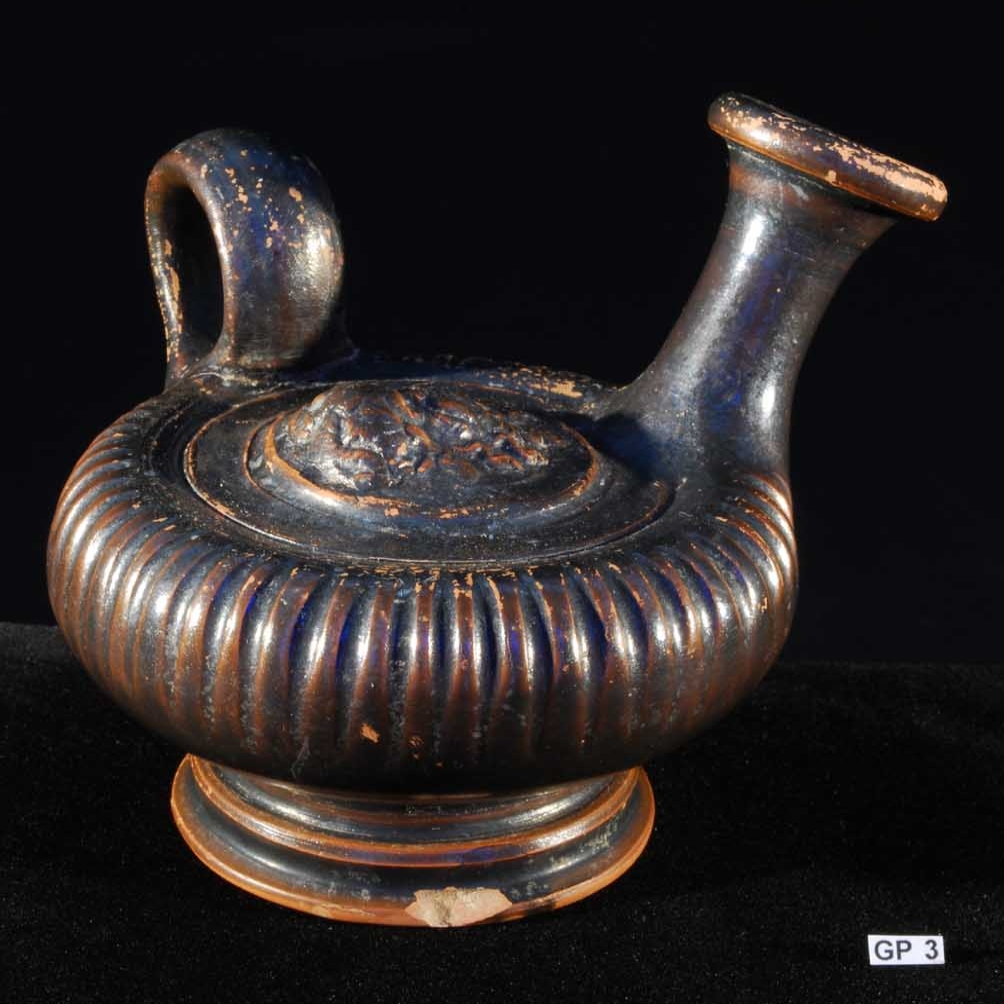
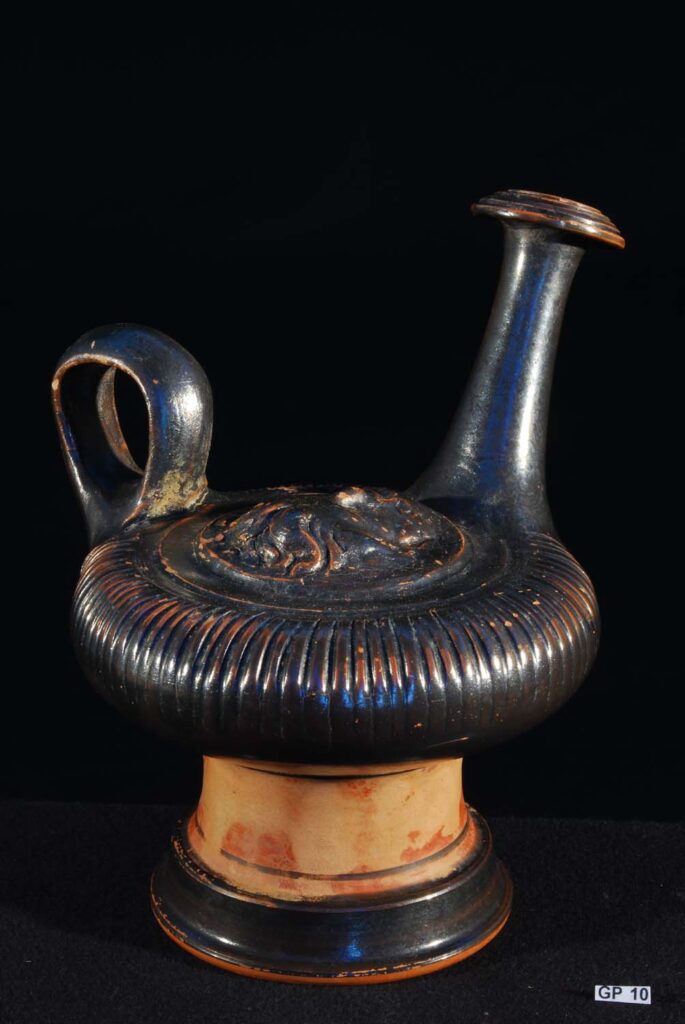
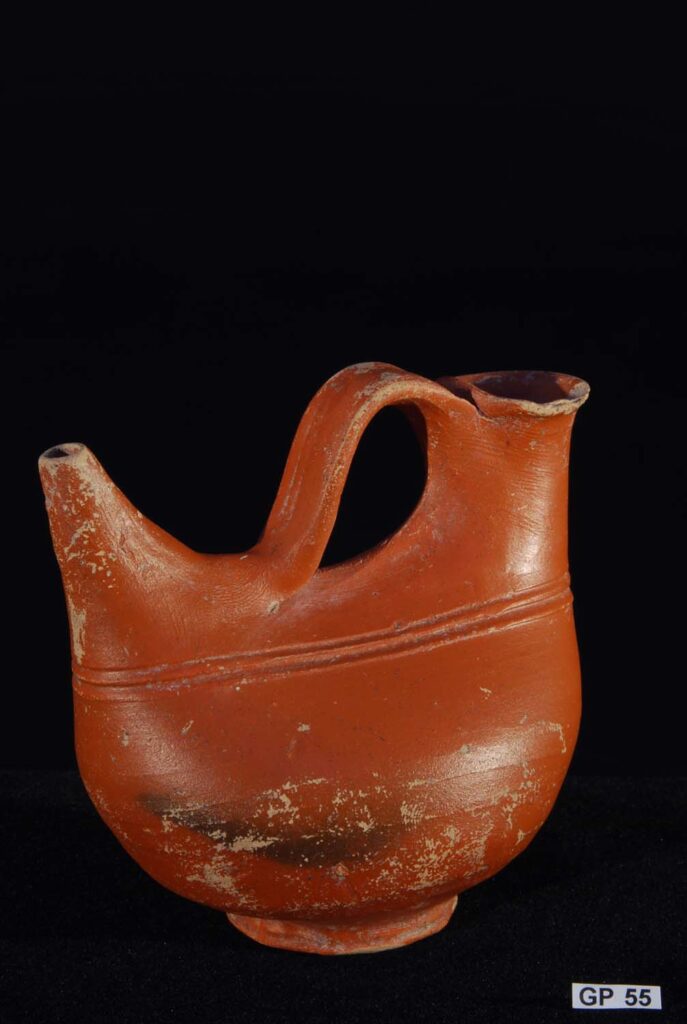
Apulian Black-Glaze Guttus: This mid-4th century BC vessel, featuring an ornamental relief of a bearded male figure, possibly a deity, serves both utilitarian and ceremonial purposes. Verified by recognized authorities in ancient Greek ceramics, its authenticity and legal provenance are firmly established.
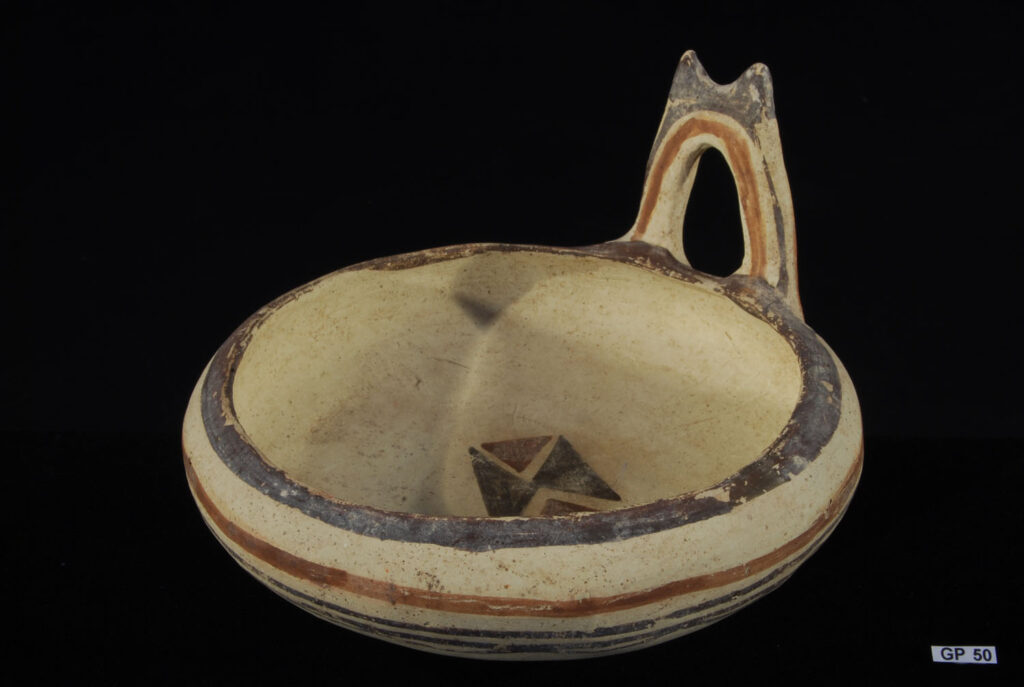
Corinthian Bowl from the 7th-6th Century BC: Renowned for its intricate geometric patterns and symbolic decorations, this bowl’s authenticity is firmly established, supported by well-documented provenance through historical records.
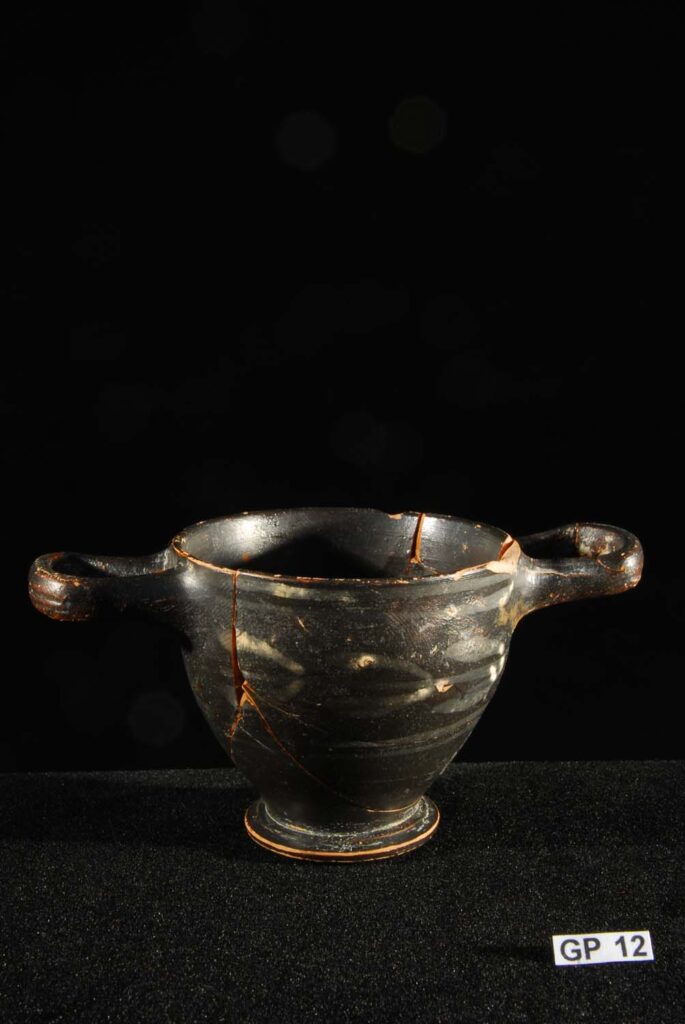
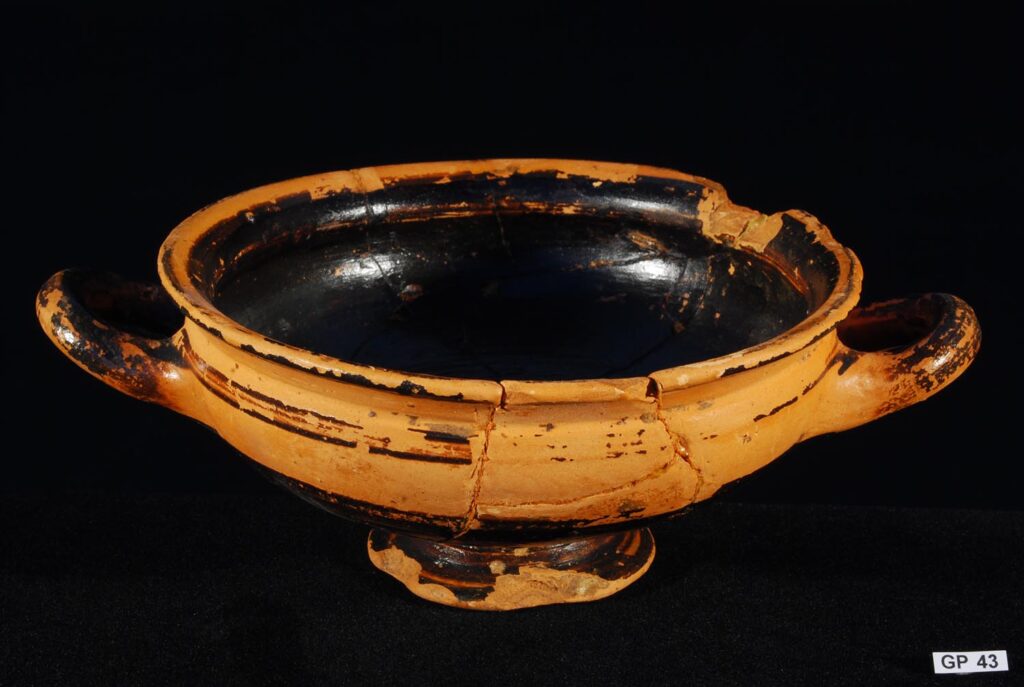
Attic Black-Glaze Kylix: Typical of Athenian craftsmanship, this deep drinking cup used in elite symposiums showcases minimalist design and functionality, with each piece accompanied by detailed provenance and legality documentation.
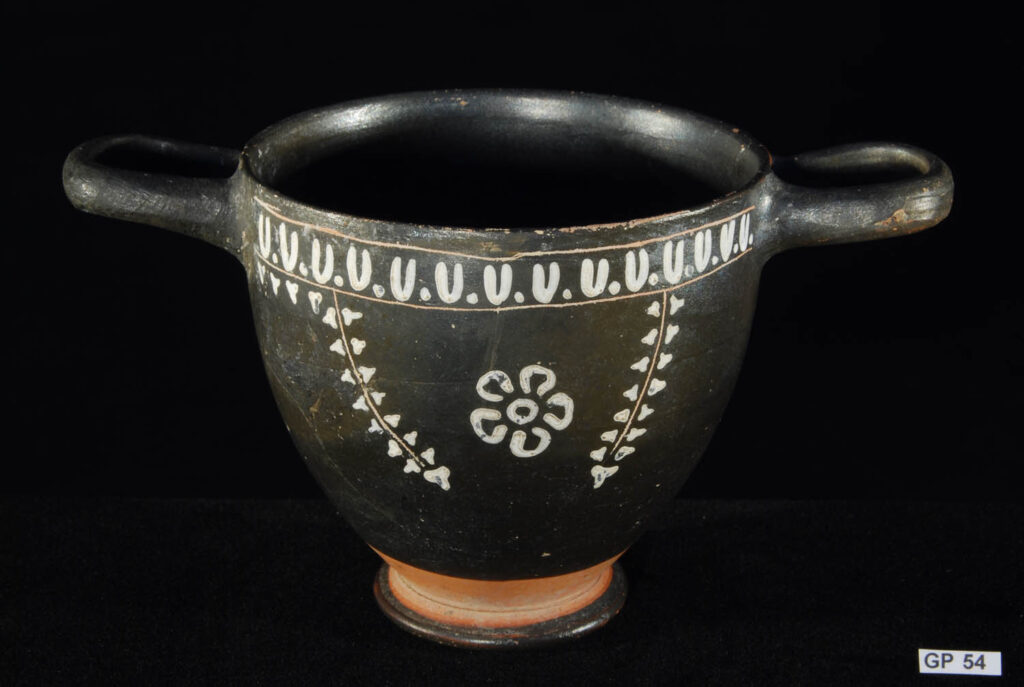
Campanian Black-Glaze Kylix from Cumae: A fusion of local Italian and traditional Greek pottery techniques, this kylix features detailed patterns and a central rosette, its historical significance confirmed by independent audits and expert assessments.
Thessalian Terracotta Loutrophoros: Used in both funerary and nuptial ceremonies, this vessel stands out with its elegant form and narrative friezes depicting mythological scenes, authenticated through precise radiocarbon dating methods.
Educational and Cultural Engagement
Education is a cornerstone of the division’s mission. The Herinex Museum organizes well-curated exhibitions that provide a narrative delving into the ancient Greeks’ complex social rituals and the symbolic significance of their pottery. For instance, our recent exhibition “Clay and Conquest: The Role of Ceramics in Hellenistic Societies” explored the socio-economic contexts of the artifacts, enriching both academic research and public education through interactive displays and multimedia installations.
Commitment to Legal and Ethical Standards
Adherence to the highest legal and ethical standards is paramount in the Greek Division. This commitment is reinforced through partnerships with international cultural heritage organizations and compliance with specific cultural heritage laws, enhancing the museum’s reputation as a trustworthy custodian of cultural treasures. This rigorous vetting process not only ensures the authenticity of our collection but also significantly enhances its investment value, offering a secure and valuable addition to any collection.
Dynamic Educational Hub
Designed as a dynamic educational hub, the Greek Division appeals to a broad audience, including academics, cultural enthusiasts, and potential investors. It fosters an appreciation for the nuanced interplay between form, function, and aesthetics in Greek ceramics and invites visitors to immerse themselves in the study of ancient civilizations and their enduring influence on art and culture.